Heart and Pericardium – Dwelling Place of Our Soul and Consciousness
In China, it is said that the heart is the seat of our soul. In Chinese medicine, it is also referred to as the Emperor of the Organs. It is the powerful motor that supplies all organs and the entire body with blood and keeps the circulatory systems flowing. An Emperor who cares well for all the inhabitants of the realm – a realm that encompasses both body and soul.
When the Emperor is well – healthy, strong, and balanced – everyone in the realm benefits. They can relax, unfold, and pursue their work with vigor.
Because the heart holds this important position, it deserves special protection. It stands, like an Emperor, in close relationship to both the outer and inner worlds.
The Emperor of the Organs should be especially well protected, above all from anything that weakens, injures, or throws him into too much agitation. Due to his responsible position, he should be treated with the utmost respect and recognition.
If, in the state, the Emperor were to cry out in pain, everyone would immediately turn their undivided attention to him, striving to find the cause of his pain, to remedy it, and to restore his well-being.
When my heart cries out in pain, what do I do?
Do I do everything to avert harm and offer it optimal support and protection?
Do I roll out the red carpet for my Emperor, or do I rather meet him with severity and demands:
- Don't be so sensitive!
- Just pull yourself together!
- Don't be so weak!
- Get a grip!
In Beijing, the Emperor lived in the Forbidden City, well protected by the city wall. This wall, in turn, was strictly guarded. The guards paid close attention to who was allowed to come into contact with the Emperor and who was permitted into his proximity. Only people who were lovingly devoted to the Emperor lived in the Forbidden City – such as his family – and people who supported him and made life easier, such as his closest statesman confidants and all those who cared for his well-being, like cooks and service staff.
The function of the Forbidden City, especially the city wall, is assumed by the pericardium. It surrounds the heart protectively and nestles it lovingly.
The Emperor should always be treated with the utmost respect and appreciation.
All emotional injuries, but also all injuries to my self-worth, affect the heart particularly deeply. These are especially injuries in intimate relationships, within the family, with people close to me, but also injuries in professional life due to a lack of appreciation and disrespect. These are events that have penetrated my pericardium and struck my heart.
Heart injuries are wounds to be taken very seriously, as they affect the entire body and soul to a particularly high degree.
Energetically, the heart is in close relationship with the tongue. I can "have my heart on my tongue" (speak openly), but I can also hurt deeply through words and "sharply tongue" strike the heart.
A struck heart manifests itself, for example, through stammering. In the best case, I stammer when my heart is in the excited state of being in love. But when I stammer in conversations with my partner or a supervisor, it is a sign that the matter truly "goes to my heart," that my heart has already suffered an injury and urgently needs protection.
Further symptoms of a heart injury are weak knees and cardiac arrhythmias. They occur in the state of being in love just as they do in conflicts and crises in which I have not experienced sufficient appreciation.
In Chinese medicine, it is also said that our heart is the dwelling place of Shen – our soul, our consciousness. By day, the soul goes out and participates in life. In the evening, the soul returns home and finds rest and recuperation in the heart. But if the heart is full of unrest, unprocessed experiences, and writhes in pain, then the soul cannot find peace within it and cannot find sleep.
Take symptoms such as stammering, weak knees, and sleep disorders very seriously, especially when they occur together, as signs of serious heart injuries. After perceiving existing injuries, it is important to show my heart and soul the respect they deserve, to protect them optimally from these injuries, and to prevent further injury.
After perception comes the step of action. The soldiers must clearly and unmistakably expel the intruders from the palace and close the gates before them.
Optimally, the guard works so well that heart injuries cannot occur in the first place, because dangerous intruders are not allowed to reach the heart. But palace guards are also human beings who are allowed to learn through experience.
If the palace guards have only inadequately protected the Emperor, there is a danger that they will become over-anxious and, for fear of making mistakes, no longer allow anyone near the Emperor and completely seal off the palace.
But the Emperor loves exchange and contact with his realm. The Emperor wants to experience lightness, joy, and love. He wants to engage with life. If the pericardium becomes too tight and too hard, the Emperor can no longer breathe, becomes lonely, and withers.
Wounds of the heart and pericardium often need a long time to heal – for example, after separations or experiences of bullying. It is important to allow them this time and to treat them with particular lovingness and leniency during this period, as these are open wounds in the heart and tears in the pericardium. The healing of these wounds is associated with a great deal of pain. Once I have eliminated the causes of the injuries, it is above all a matter of enduring this pain, treating my heart with the greatest possible respect, and sharpening my awareness for good protection.
A scar will remain on my pericardium, but the palace guard has become a little wiser and more vigilant.
What is important is that I trust that my heart will one day be able to sing and leap again, experience lightness, and become a harmonious resting place for my soul.
It is also important that I learn to trust my pericardium again, so that it can calmly and clearly decide what may be brought to my heart. I grant it the right to make mistakes, knowing that my heart is strong enough to handle them and that I correct them as quickly as possible at the first symptoms, before greater injuries arise.
What is important is that I show my Emperor of the Organs the highest appreciation and do my utmost to care for his well-being.
If the Emperor feels pressured or attacked and I do not react at all, I diminish the value of my own heart, and my self-esteem sinks. Truly appreciating my heart again to the point where I do not dismiss its perceptions with statements like "It wasn't that bad at all" or "Don't make a mountain out of a molehill" is an important step toward healthy selfconfidence. It is good when I can develop trust in my own perception again and when I trust that I take good care of myself and protect myself.
The palace guards do not always have to draw their weapons and fight unnecessarily, but they should clearly and unequivocally deny certain people access to the imperial palace and turn them away. My subconscious will always notice when the palace guard has shirked their duty with a lame excuse, and my own heart will, in the long run, lose trust in me.
Which are the people who do the Emperor long-term good, who strengthen, love, and support him?
"Listen to your heart" – in China, this would also include the pericardium. Thus, I not only let myself be guided by emotions and let them determine my actions, but I also involve a wise pericardium in my decisions and perceptions – one that strives to protect my heart from injury.
About the Author
Katrin Blumenberg
German Qi Gong teacher and instructor since the year 2000. Together with her husband Zheng Yi (doctor of chinese medicine) she created the "Qi Gong of the four Seasons", that is widespread in Germany and also used in differnt physically and mental therapies. She is also a speaker and publisher.
Courses By This Teacher

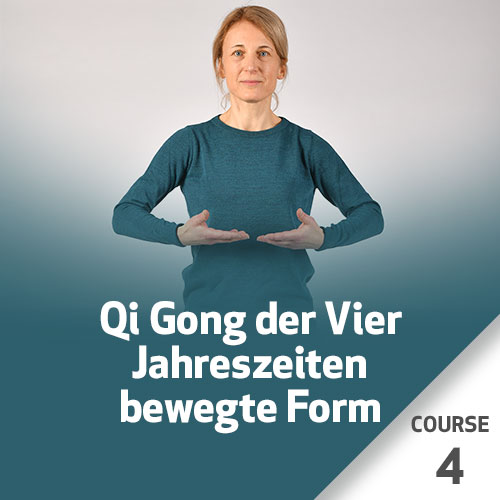
Im Leben verwurzelt, von Vertrauen getragen
Stabilisierende Qi Gong Übungen zur Therapie und Selbstfürsorge - qigong exercises
with Katrin Blumenberg
See In StoreOverview
Dies ist ein "Winter-Modul" aus der Fortbildungsreihe "Qi Gong in der Therapie und Selbstfürsorge". Sie stammt aus dem Übungskonzept des "Qi Gong der Vier Jahreszeiten.
"Qi Gong der Vierjahreszeiten" kombiniert positive körperliche Erfahrungen mit Visualisierungen / Imaginationen und unterstützt damit die körperlichen und seelischen Selbstheilungskräfte, die jeder Menschen besitzt.
Die chinesische Medizin bietet eine Vielzahl von verständlichen Bildern aus der Natur, um psychosomatische Zusammenhänge zu erklären. Dies ermöglicht ein Verständnis für das eigene Befinden und unterstützt die Handlungsfähigkeit.
Qi Gong erschafft einen wertfreien, offenen, geduldigen und unbefristeten Raum für alle Empfindungen. Man erlernt gezielt Einzelübungen auszuwählen und mit Affirmationen zu arbeiten, die einen Einzel-Therapieprozeß unterstützen, sowie thematisch mit Gruppen zu arbeiten. Das Bewegungsgut stammt aus dem "Qi Gong der Vier Jahreszeiten", aber es gibt keine fest Form.
Winter
das Lebensvertrauen / die Wurzeln nähren
Umgang mit Panik und Angst
Nierendepressionen
dem Leben Tiefe geben
Umgang mit Schuld und Scham
Verzeihen
Das Wissen, dass Sie in diesem Kurs erwerben kann später beim Unterrichten in Kliniken / Krankenhäusern im Bereich der Psychosomatik, Schmerztherapie, Neurologie und Psychiatrie eingesetzt werden. Es befähigt Sie aber auch in Ihren laufenden Kursen noch gezielter auf die TeilnehmerInnen einzugehen.
Learning Objectives
- Es befähigt Sie aber auch in Ihren laufenden Kursen noch gezielter auf die TeilnehmerInnen einzugehen.
- Es dient ihrer Selbstfürsorge, vor allem wenn sie mit Menschen arbeiten.
- Das Wissen, dass Sie in diesem Kurs erwerben kann später beim Unterrichten in Kliniken / Krankenhäusern im Bereich der Psychosomatik, Schmerztherapie, Neurologie und Psychiatrie eingesetzt werden.
Your Teacher
Katrin Blumenberg
German Qi Gong teacher and instructor since the year 2000. Together with her husband Zheng Yi (doctor of chinese medicine) she created the "Qi Gong of the four Seasons", that is widespread in Germany and also used in differnt physically and mental therapies. She is also a speaker and publisher.
Categories
Tags
Qi Gong der Vier Jahreszeiten - bewegte Form - Frühling
11 Qi Gong Übungen im Stehen, die Körper und Geist gut durch den Frühling begleiten.
with Katrin Blumenberg
See In StoreOverview
"Qi Gong der Vier Jahreszeiten" ist besonders auf die Natur abge-stimmt, mit der wir immer körperlich und seelisch im Zusammenhang stehen. Ein tieferes Verständnis für dieses Zusammenspiel von Natur, Körper, Seele, Gefühlen und Organen wird theoretisch erläutert und praktisch erfahren.
Qi Gong verknüpft Atmung, geistige Zentrierung, innere und äußere Haltung, Bewegung und Imagination. Die Übungen sind eine ganz-heitliche Erfahrung, von der man in China als "Kultivierungsübung von Körper und Geist" spricht. Auf sanfte Art wird der ganze Körper mobilisiert und seelische Ressourcen gestärkt.
Frühling: Durchsetzungsvermögen, Stimmungsschwankungen ausgleichen, geschmeidige Sehnen, Leber und Galle stärken, .
Learning Objectives
- Deinen Körper auf die Herausforderungen des Frühlings einstellen: Stoffwechsel regulieren, Kräfte stärken, Sehkraft unterstützen, Menstruation und Wechseljahre regulieren…
- Zusammenhänge zwischen dem Frühling, Deinem Körper und Deiner Seele erkennen und verstehen, vor dem Hintergrund der chinesischen Medizin und den 5 Wandlungsphasen.
- Deinen Geist auf das Frühjahr einstimmen: an Durchsetzungsfähigkeit gewinnen, Emotionen regulieren, Wachstum und Entwicklung fördern.
Your Teacher
Katrin Blumenberg
German Qi Gong teacher and instructor since the year 2000. Together with her husband Zheng Yi (doctor of chinese medicine) she created the "Qi Gong of the four Seasons", that is widespread in Germany and also used in differnt physically and mental therapies. She is also a speaker and publisher.
Categories
Tags
Qi Gong der Vier Jahreszeiten - bewegte Form - Herbst
11 Qi Gong Übungen im Stehen, die Körper und Geist gut durch den Herbst begleiten.
with Katrin Blumenberg
See In StoreOverview
"Qi Gong der Vier Jahreszeiten" nach Meister Zheng Yi und Katrin Blumenberg ist besonders auf die Natur abgestimmt, mit der wir immer körperlich und seelisch im Zusammenhang stehen. Ein tieferes Verständnis für dieses Zusammenspiel von Natur, Körper, Seele, Gefühlen und Organen wird theoretisch erläutert und praktisch erfahren.
Qi Gong verknüpft Atmung, geistige Zentrierung, innere und äußere Haltung, Bewegung und Imagination. Die Übungen sind eine ganz- heitliche Erfahrung, von der man in China als "Kultivierungsübung von Körper und Geist" spricht. Auf sanfte Art wird der ganze Körper
mobilisiert und seelische Ressourcen gestärkt.
Herbst: Haut - Atemwege - geistige Klarheit - Loslassen können.
Learning Objectives
- Zusammenhänge zwischen dem Herbst, Deinem Körper und Deiner Seele erkennen und verstehen, vor dem Hintergrund der chinesischen Medizin und den 5 Wandlungsphasen.
- Deinen Körper auf die Herausforderungen des Herbstes einstellen: Erkältung vorbeugen, Atemwege stärken, Geruchssinn unterstützen, Hautbild verbessern, Verdauung regulieren.
- Deinen Geist auf den Herbst einstimmen: an Klarheit gewinnen, loslassen, aber auch bewahren können, ...Intuition stärken.
Your Teacher
Katrin Blumenberg
German Qi Gong teacher and instructor since the year 2000. Together with her husband Zheng Yi (doctor of chinese medicine) she created the "Qi Gong of the four Seasons", that is widespread in Germany and also used in differnt physically and mental therapies. She is also a speaker and publisher.
Categories
Tags
Qi Gong der Vier Jahreszeiten - bewegte Form - Sommer
11 Qi Gong Übungen im Stehen, die Körper und Geist gut durch den Sommer begleiten.
with Katrin Blumenberg
See In StoreOverview
Schritt für Schritt werden dir 11 Übungen im Stehen vermittelt, die dich gut durch die Jahreszeit begleiten. Ich gehe detailliert auf die Ausführung ein. Ebenso werden Hintergründe aus der chinesischen Medizin und Philosophie in Bezug auf die Übungen erläutert. Die ganze Form dauert später ca 20 Minuten und kann dich ein Leben lang stärkend begleiten. "Qi Gong der Vier Jahreszeiten" ist besonders auf die Natur abge-stimmt, mit der wir immer körperlich und seelisch im Zusammenhang stehen. Ein tieferes Verständnis für dieses Zusammenspiel von Natur, Körper, Seele, Gefühlen und Organen wird theoretisch erläutert und praktisch erfahren.
Qi Gong verknüpft Atmung, geistige Zentrierung, innere und äußere Haltung, Bewegung und Imagination. Die Übungen sind eine ganz-heitliche Erfahrung, von der man in China als "Kultivierungsübung von Körper und Geist" spricht. Auf sanfte Art wird der ganze Körper
mobilisiert und seelische Ressourcen gestärkt.
Learning Objectives
- Zusammenhänge zwischen dem Sommer, Deinem Körper und Deiner Seele erkennen und verstehen, vor dem Hintergrund der chinesischen Medizin und den 5 Wandlungsphasen.
- Deinen Körper auf die Herausforderungen des Sommers einstellen: Herz, Dünndarm, Magen udn Milz stärken.
- Deinen Geist auf den Sommer einstimmen: die Lebensfreude entfachen, die Mitte stärken und die Gelassenheit fördern.
Your Teacher
Katrin Blumenberg
German Qi Gong teacher and instructor since the year 2000. Together with her husband Zheng Yi (doctor of chinese medicine) she created the "Qi Gong of the four Seasons", that is widespread in Germany and also used in differnt physically and mental therapies. She is also a speaker and publisher.
Categories
Tags
Qi Gong der Vier Jahreszeiten - bewegte Form - Winter
11 Qi Gong Übungen im Stehen, die Körper und Geist gut durch den Winter begleiten.
with Katrin Blumenberg
See In StoreOverview
Schritt für Schritt werden dir 11 Übungen im Stehen vermittelt, die dich gut durch die Jahreszeit begleiten. Ich gehe detailliert auf die Ausführung ein. Ebenso werden Hintergründe aus der chinesischen Medizin und Philosophie in Bezug auf die Übungen erläutert. Die ganze Form dauert später ca 20 Minuten und kann dich ein Leben lang stärkend begleiten.
"Qi Gong der Vier Jahreszeiten" ist besonders auf die Natur abge- stimmt, mit der wir immer körperlich und seelisch im Zusammenhang stehen. Ein tieferes Verständnis für dieses Zusammenspiel von Natur, Körper, Seele, Gefühlen und Organen wird theoretisch erläutert und praktisch erfahren.
Qi Gong verknüpft Atmung, geistige Zentrierung, innere und äußere Haltung, Bewegung und Imagination. Die Übungen sind eine ganz-heitliche Erfahrung, von der man in China als "Kultivierungsübung von Körper und Geist" spricht. Auf sanfte Art wird der ganze Körper mobilisiert und seelische Ressourcen gestärkt.
Learning Objectives
- Zusammenhänge zwischen dem Winter, Deinem Körper und Deiner Seele erkennen und verstehen, vor dem Hintergrund der chinesischen Medizin und den 5 Wandlungsphasen.
- Deinen Geist auf den Winter einstimmen: an Vertrauen und Zuversicht gewinnen, den Ängsten gelassen begegnen.
- Deinen Körper auf die Herausforderungen des Winters einstellen: eine flexible Wirbelsäule und stabile Knochen fördern, Nieren, Blase und Gehör unterstützen.
Your Teacher
Katrin Blumenberg
German Qi Gong teacher and instructor since the year 2000. Together with her husband Zheng Yi (doctor of chinese medicine) she created the "Qi Gong of the four Seasons", that is widespread in Germany and also used in differnt physically and mental therapies. She is also a speaker and publisher.
Categories
Tags
Qi Gong of the Four Seasons - Moving Form - Spring
11 Qi Gong Exercises Performed Standing, which will Accompany Body and Mind Well Through The Spring.
with Katrin Blumenberg
See In StoreOverview
"Four Seasons Qi Gong" is specifically attuned to nature, with which we are always connected, both physically and mentally. A deeper understanding of this interplay between nature, body, mind, emotions, and organs is explained theoretically and experienced practically.
Qi Gong integrates breathing, mental centering, inner and outer posture, movement, and visualization. The exercises offer a holistic experience, referred to in China as a "cultivation of body and mind." The entire body is gently mobilized, and mental resources are strengthened.
Spring: Assertiveness, balancing mood swings, supple tendons, strengthening the liver and gallbladder.
Note: Each course in this series can be taken individually and in any order. Every course is complete in itself and does not require prior completion of the other courses.
Learning Objectives
- Recognize and understand the connections between spring, your body and your soul, against the background of Chinese medicine and the 5 phases of transformation.
- Prepare your mind for spring: gain assertiveness, regulate emotions, promote growth and development.
- Prepare your body for the challenges of spring: regulate metabolism, strengthen energy, support eyesight, regulate menstruation and menopause.
Your Teacher
Katrin Blumenberg
German Qi Gong teacher and instructor since the year 2000. Together with her husband Zheng Yi (doctor of chinese medicine) she created the "Qi Gong of the four Seasons", that is widespread in Germany and also used in differnt physically and mental therapies. She is also a speaker and publisher.
Categories
Tags
Qi Gong of the Four Seasons - Moving Form - Summer
11 Qi Gong Exercises Performed Standing, which will Accompany Body and Mind Well Through the Summer
with Katrin Blumenberg
See In StoreOverview
Step by step, you will be taught 11 standing exercises that will guide you well through the seasons. I will explain the execution in detail. The background of these exercises, based on Chinese medicine and philosophy, will also be explained. The entire practice takes approximately 20 minutes and can provide you with lifelong support and strength. "Qi Gong of the Four Seasons" is specifically attuned to nature, with which we are always connected, both physically and mentally. A deeper understanding of this interplay between nature, body, mind, emotions, and organs will be explained theoretically and experienced practically.
Qi Gong combines breathing, mental centering, inner and outer posture, movement, and imagination. The exercises are a holistic experience, which in China is referred to as a "cultivation exercise of body and mind." In a gentle way, the whole body is mobilized and mental resources are strengthened.
Note: Each course in this series can be taken individually and in any order. Every course is complete in itself and does not require prior completion of the other courses.
Learning Objectives
- Prepare your mind for summer: ignite your zest for life, strengthen your core, and promote serenity.
- Prepare your body for the challenges of summer: strengthen your heart, small intestine, stomach and spleen.
- Recognize and understand the connections between summer, your body and your soul, against the background of Chinese medicine and the 5 phases of transformation.
Your Teacher
Katrin Blumenberg
German Qi Gong teacher and instructor since the year 2000. Together with her husband Zheng Yi (doctor of chinese medicine) she created the "Qi Gong of the four Seasons", that is widespread in Germany and also used in differnt physically and mental therapies. She is also a speaker and publisher.